The term protoevangelium comes from two Greek words: protos meaning “first,” and euangelion meaning “good news” or “gospel.” The protoevangelium, therefore, refers to the first announcement of the gospel found in Scripture. Most Bible students locate this initial promise in Genesis 3:15, spoken by God immediately after the fall of Adam and Eve. Though brief, this verse contains the seed of the entire redemptive plan that unfolds throughout the Bible.
The Context of Genesis 3
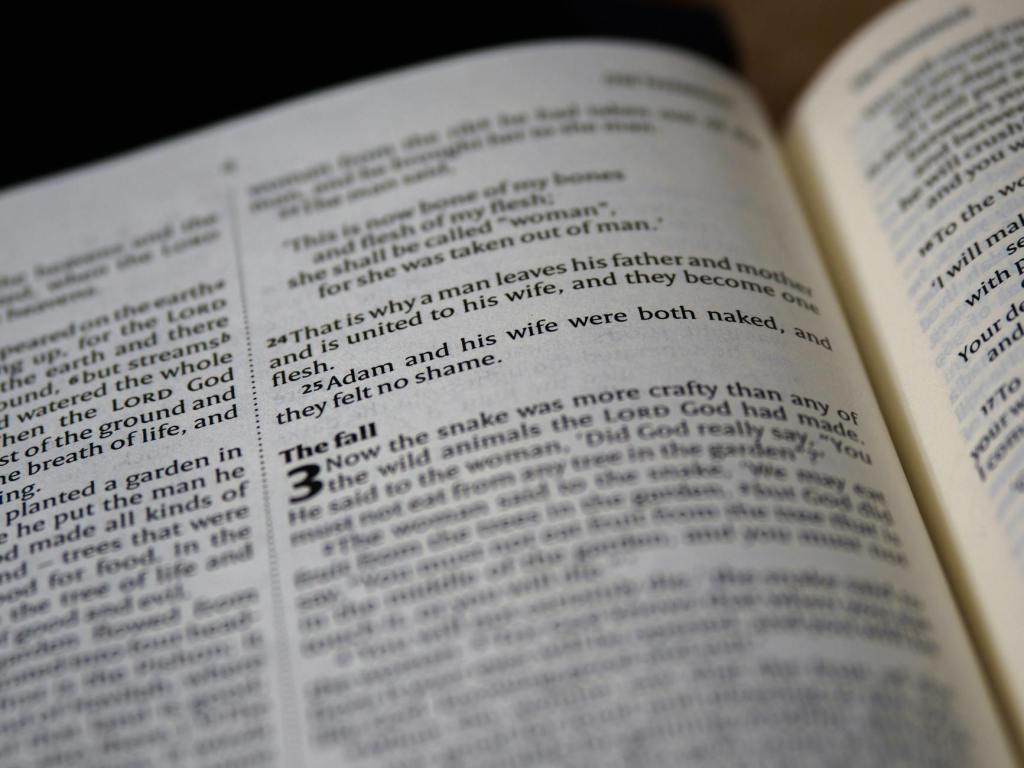
Human history changed dramatically in Genesis 3 when Adam and Eve disobeyed God by eating from the tree of the knowledge of good and evil. Sin entered the world, bringing guilt, shame, and separation from God. Yet even as the Lord pronounced judgment upon the serpent, He also revealed His intention to redeem fallen humanity.
Genesis 3:15 records God’s words to the serpent:
“And I will put enmity
Between you and the woman,
And between your seed and her seed;
He shall bruise you on the head,
And you shall bruise him on the heel.”
This verse is the protoevangelium, the first glimmer of hope that sin and Satan would not have the final word.
Meaning of the Promise
Several important truths emerge from this foundational text.
A Conflict Is Announced
God declared perpetual hostility between the serpent and the woman, and between their respective “seed.” This points to a spiritual conflict extending through history between the kingdom of darkness and the people of God. The apostle John later described this reality, writing, “the whole world lies in the power of the evil one” (1 John 5:19), yet God would raise up a Deliverer.
A Coming Redeemer
The phrase “her seed” is striking because lineage in Scripture is normally traced through the man. Many Christian interpreters have seen here an early hint of the virgin birth, one who would come uniquely from the woman without a human father. This seed would personally confront the serpent.
Victory Through Suffering
The prophecy foretells a mutual wounding: the serpent would bruise the heel of the woman’s seed, but the seed would bruise or crush the serpent’s head. A heel wound is painful yet not ultimately fatal; a crushed head signifies decisive defeat. The New Testament reveals that this victory was accomplished through Christ’s death and resurrection. Hebrews 2:14 explains, “Through death He might render powerless him who had the power of death, that is, the devil.”
Fulfilment in Christ
From the perspective of the whole Bible, the protoevangelium points unmistakably to Jesus Christ. He is the promised seed who confronted Satan directly during His earthly ministry (Matthew 4:1–11) and ultimately triumphed at the cross. The apostle Paul echoed the language of Genesis 3:15 when he assured believers in Romans 16:20, “The God of peace will soon crush Satan under your feet.”
What was first announced in Eden reaches its fulfilment in the gospel: Christ bore the penalty of sin, rose from the dead, and secured the final overthrow of the devil.
Theological Significance
The protoevangelium demonstrates that redemption was not an afterthought. God revealed His saving purpose at the very moment humanity fell. Before Adam and Eve were expelled from the garden, hope was already proclaimed. This underscores the unity of Scripture: the Old Testament anticipates what the New Testament accomplishes.
Furthermore, the passage highlights both the seriousness of sin and the grace of God. Judgment was real, yet mercy triumphed. As Paul later wrote, “where sin increased, grace abounded all the more” (Romans 5:20).
Final Thoughts
The protoevangelium is the Bible’s first gospel sermon, preached by God Himself in the presence of the guilty pair and the deceiving serpent. Genesis 3:15 contains in embryo the message that would unfold through patriarchs, prophets, and finally in Jesus Christ; the message that the seed of the woman would defeat the serpent and restore what sin destroyed.
Every promise of salvation, every sacrifice in the Old Testament, and every page of the New Testament ultimately flows from this early declaration of hope. The protoevangelium reminds us that from the beginning, God’s purpose was to seek and to save the lost, bringing life out of death and victory out of apparent defeat.

Leave a comment