The doctrine of purgatory has been a point of debate among Christians for centuries. Some people accept it as a valid doctrine rooted in early Church teaching and tradition, while many Bible-believing Christians reject it as unbiblical. This article will explore what purgatory is, where the belief comes from, whether it is mentioned in the Bible, and practical questions for believers to consider.
What Is the Doctrine of Purgatory?
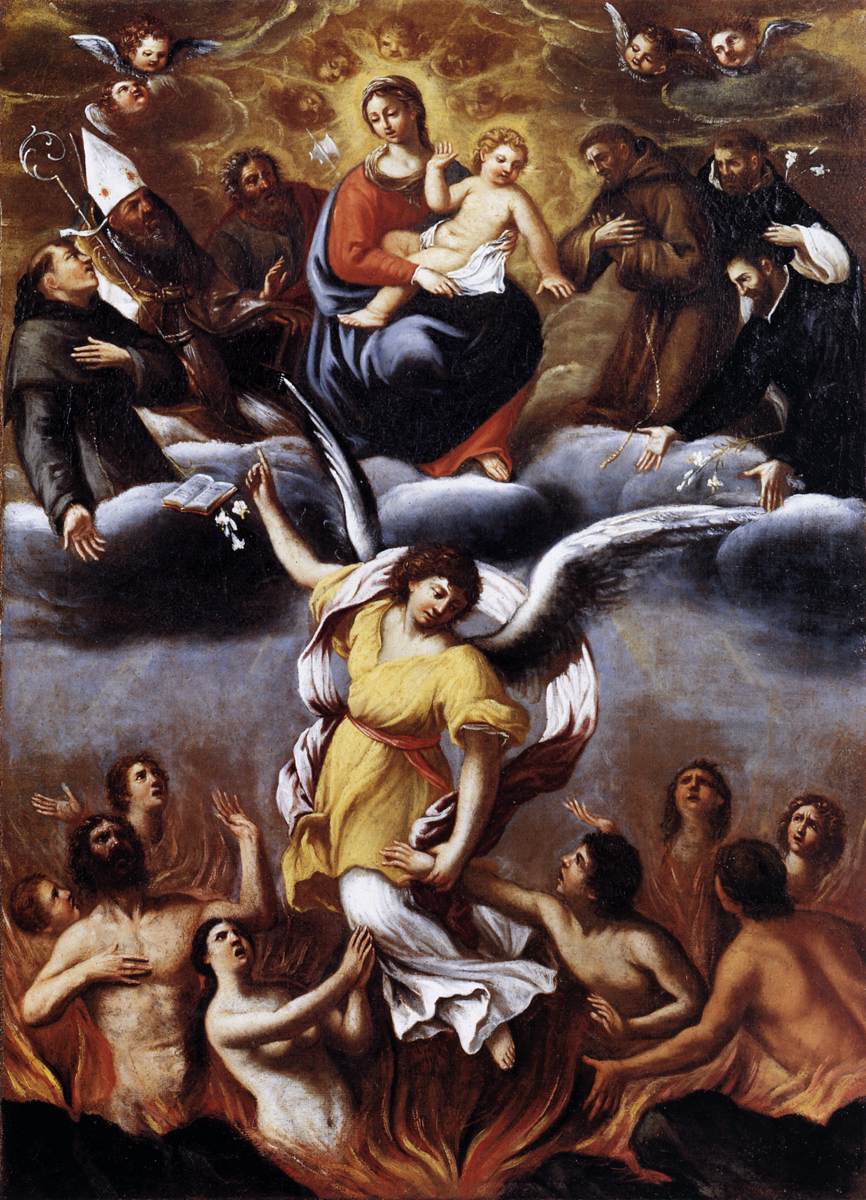
From a Roman Catholic perspective, purgatory is understood as a state or process of final purification after death for those who die in God’s grace but are not yet perfectly purified. It is distinct from heaven and hell:
“All who die in God’s grace and friendship, but still imperfectly purified, are indeed assured of their eternal salvation; but after death they undergo purification, so as to achieve the holiness necessary to enter the joy of heaven.” — Catechism of the Catholic Church 1030 (official Roman Catholic teaching)[1]
The Catechism further explains that purgatory is not a punishment like hell, but a “final purification of the elect” and that this teaching is rooted in Church tradition, councils such as Florence and Trent, and some interpretations of Scripture and practices like prayer for the dead.[2]
Where Did the Doctrine of Purgatory Come From?
The formal Catholic doctrine was articulated and defined over centuries:
- Early Church Tradition: Church Fathers like Augustine and others sometimes spoke of post-death purification.
- Councils: The Council of Florence (1439) and the Council of Trent (16th century) affirmed the doctrine as part of Catholic faith.[3]
- The Official Catechism of the Roman Catholic Church: Paragraphs 1030-1032 lay out purgatory as part of Catholic doctrine today.[4]
However, critics point out that the doctrine is not explicitly stated in Scripture. For example, Regarding purgatory, the book Orpheus: A General History of Religions says that “there is not a word about it in the Gospels.” Likewise, the New Catholic Encyclopedia states, “In the final analysis, the Catholic doctrine on purgatory is based on tradition, not Sacred Scripture.” [5]
This reflects the historical-theological view that purgatory is a doctrinal development grounded in Catholic tradition and interpretation, not an explicit biblical teaching.
Is Purgatory Mentioned in the Bible?
Scripture Does Not Use the Word “Purgatory”
You will not find the word “purgatory” anywhere in the Bible. There is no explicit passage that directly describes the Catholic doctrine as formulated in Church tradition.
Passages Cited by Some as Support
Some Catholics and others appeal to passages they see as pointing toward purification after death, but these are interpretive, not clear statements of a second-stage purification.
1 Corinthians 3:11-15,“For no one can lay a foundation other than the one already laid, which is Jesus Christ. Now if anyone builds on the foundation with gold, silver, precious stones, wood, hay, straw, each one’s work will become evident; for the day will show it because it is to be revealed with fire, and the fire itself will test the quality of each one’s work. If any man’s work which he has built on it remains, he will receive a reward.
If any man’s work is burned up, he will suffer loss; but he himself will be saved, yet so as through fire.” Some see this “fire” and “saved… yet so as through fire” as analogous to purification after death, a fire that purifies rather than condemns.[6]
2 Maccabees 12:43-46 (in Catholic and Orthodox Bibles) is often used in Catholic teaching to support prayer for the dead, but it is not part of the Protestant canon and therefore not accepted as Scripture in many Christian traditions.
What the Bible Does Teach Clearly?
The Bible consistently teaches that all believers are justified by Christ’s blood alone (Romans 5:9; Ephesians 2:8-9). Christ’s sacrifice is once for all (Hebrews 10:10). Believers are declared righteous by faith in Christ. At death, believers are with Christ (2 Corinthians 5:8). There is no clear biblical warrant for an intermediate purification after death in the way the Roman Catholic doctrine describes.
Christian and Biblical Questions to Consider
Whether you are Catholic, Protestant, Orthodox, or exploring Christianity, these questions can help you reflect:
- Does the Bible teach that Christ’s sacrifice fully pays for sin?
(Consider Hebrews 10:10 and Romans 8:1) - Where does the Bible speak explicitly about what happens after death to believers?
(Consider 2 Corinthians 5:6-8) - Should doctrines be based on explicit Scripture or tradition?
What is the appropriate and final authority for Christian belief? - How should we interpret passages like 1 Corinthians 3:11-15?
Does the context speak of eternal destiny, sanctification, or something else? - In what ways does Christ’s work make believers holy and ready for heaven?
How does this relate to “holiness” and “being made perfect”? (See Hebrews 12:14)
Conclusion
From a Christian, biblical perspective, purgatory is not mentioned explicitly in the Bible. The doctrine as taught in the Roman Catholic Church is rooted in Church tradition and theological development, not in a clear, direct biblical statement. Believers from different traditions will interpret the relevant Scripture passages differently.
For Christians, the assurance of salvation and sanctification through Christ alone is central and any post-death purification state is seen as unnecessary or lacking explicit biblical support. For Catholics, tradition and ecclesial authority inform acceptance of purgatory.
As you study Scripture prayerfully, ask God for wisdom (James 1:5) and seek to be anchored in Christ alone as your righteousness and hope.
[1] Part One Section Two I. The Creeds Chapter Three I Believe In The Holy Spirit Article 12 I Believe In Life Everlasting III. The Final Purification, Or Purgatory
[2] Part One Section Two I. The Creeds Chapter Three I Believe In The Holy Spirit Article 12 I Believe In Life Everlasting III. The Final Purification, Or Purgatory
[3] Part One Section Two I. The Creeds Chapter Three I Believe In The Holy Spirit Article 12 I Believe In Life Everlasting III. The Final Purification, Or Purgatory
[4] Catechism of the Catholic Church
[5] New Catholic Encyclopedia, Second Edition, Volume 11, page 825.
[6] Part One Section Two I. The Creeds Chapter Three I Believe In The Holy Spirit Article 12 I Believe In Life Everlasting III. The Final Purification, Or Purgatory


Leave a comment