
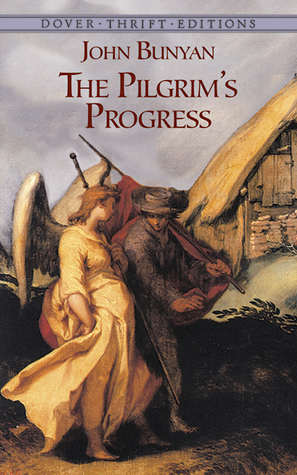
The Pilgrim’s Progress is one of the most influential works in English literature, often considered the first English novel. Written while Bunyan was imprisoned for preaching without a license, the book is an allegory of the Christian journey toward salvation. It follows a man named Christian as he travels from his hometown, the City of Destruction, to the Celestial City, encountering numerous trials, temptations, and helpers along the way.
Themes
- Spiritual Journey: The book is a metaphor for the Christian life, with each character and location representing different spiritual challenges and virtues.
- Faith and Perseverance: Christian’s determination to reach the Celestial City despite suffering and temptation is central.
- Moral Choices: The story highlights the constant struggle between sin and righteousness.
- Community and Guidance: Characters like Evangelist and Faithful show the importance of fellowship and wise counsel.
Strengths
- Powerful Allegory: Bunyan’s use of symbolism makes abstract spiritual concepts accessible and memorable.
- Vivid Characters and Scenes: Places like Vanity Fair and the Slough of Despond remain iconic literary images.
- Enduring Relevance: Its exploration of temptation, doubt, perseverance, and faith still resonates with readers today.
- Influence on Literature: It has inspired writers like C.S. Lewis and J.R.R. Tolkien, as well as countless sermons and devotional works.
Challenges
- Archaic Language: Some readers may find the 17th-century English style difficult. (Modern translations help.)
- Heavy Religious Tone: The text is explicitly Christian and doctrinal, which may not appeal to all readers.
- Didactic Nature: Its moral lessons are clear and sometimes blunt, which might feel less nuanced compared to modern fiction.
Verdict
The Pilgrim’s Progress is a timeless classic, rich in allegory and moral insight. While it requires some effort due to its language and overtly religious framework, it rewards readers with a deep and thought-provoking exploration of the human spiritual journey. Whether approached as theology, literature, or both, it remains a cornerstone of English prose and Christian thought.
Recommended for: Readers interested in classic literature, Christian theology, and allegorical storytelling.



Leave a comment